The Meaning of Shikishi

This page explores the linguistic and philological background of the word shikishi. While often translated as “colored paper,” the term refers to something far more specific and culturally significant. Here, we clarify the distinction and explain why this mistranslation persists.
Why Is Shikishi Translated as “Colored Paper” in English?
The translation of shikishi (色紙) as “colored paper” in English arises from a direct, literal reading of its kanji components:
-
色 (iro or shiki): “color”
-
紙 (kami or shi): “paper”
This interpretation, however, can be misleading without context, as it conflates two distinct meanings that share the same written form in Japanese.
In modern Japanese, 色紙 has two standard readings:
-
いろがみ (irogami): referring to colored or decorative paper, such as craft or origami paper
-
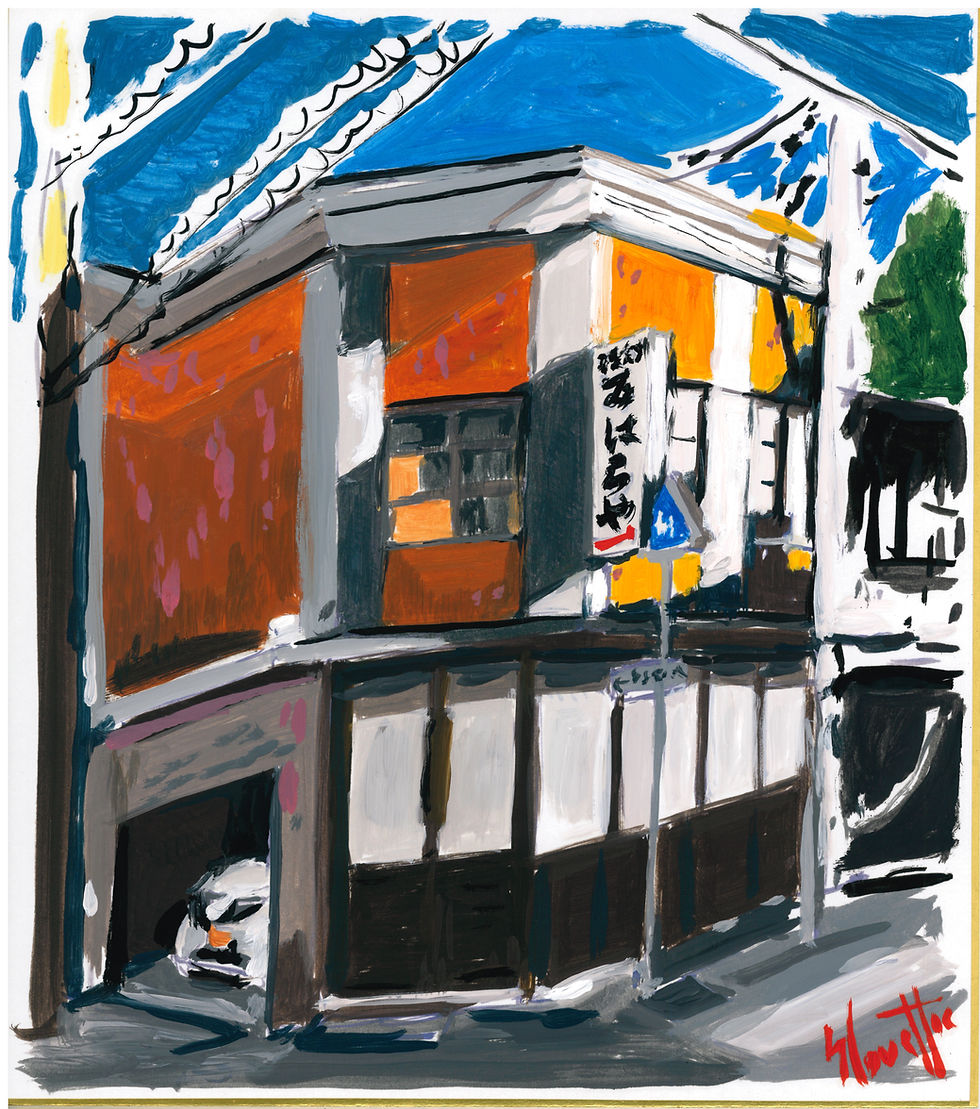
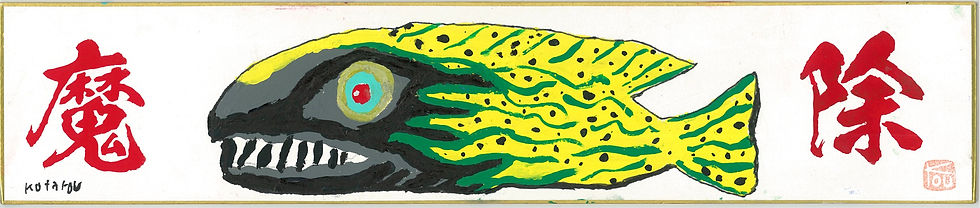
しきし (shikishi): denoting a rigid art board composed of layered washi paper, typically finished with a gold foil border. These boards are used for calligraphy, poetry, and painting, and are valued not only for their function but also for their refined appearance and ceremonial use.
Although the two terms share identical kanji, they differ significantly in pronunciation, function, and cultural role. The English phrase “colored paper” accurately describes irogami, but not shikishi, which refers to a traditional art object with a long historical lineage.
The confusion is reinforced by the decorative nature of many shikishi boards, which often feature gold or silver foil, dyed backgrounds, or painted motifs—making the term “colored” seem appropriate at a glance. However, shikishi does not primarily refer to the paper’s color, but rather its purpose, construction, and cultural significance.
In philological terms, this is an example of false equivalence: a surface-level translation that captures the literal meaning of characters but not the referential meaning of the word.
A more accurate English rendering of "shikishi" would be “poem card,” “calligraphy board,” or “art board”—or better yet, retain the original term, which carries its full cultural weight.
What “Shikishi” Means at Art San Gallery
At Art San Gallery, when we refer to shikishi, we are always speaking of the traditional Japanese art board used for poetry, calligraphy, and painting. This includes:
-
Rigid art board
-
Layered washi paper
-
A characteristic gold border
We never use the term to describe generic craft paper (irogami). Each shikishi we present reflects a lineage of thoughtful artistic tradition.
Shikishi Art